
Making the Workplace Work Harder: Designing for Performance, Not Just Presence
For many organisations, the workplace has become a place people go — but not always a place that actively supports how work gets done.
As expectations shift and teams become more dynamic, the question leaders are increasingly asking is not where people work, but how well the workplace performs.
A high-performing workplace doesn’t just accommodate people.
It enables focus, supports collaboration, and removes friction from everyday work.
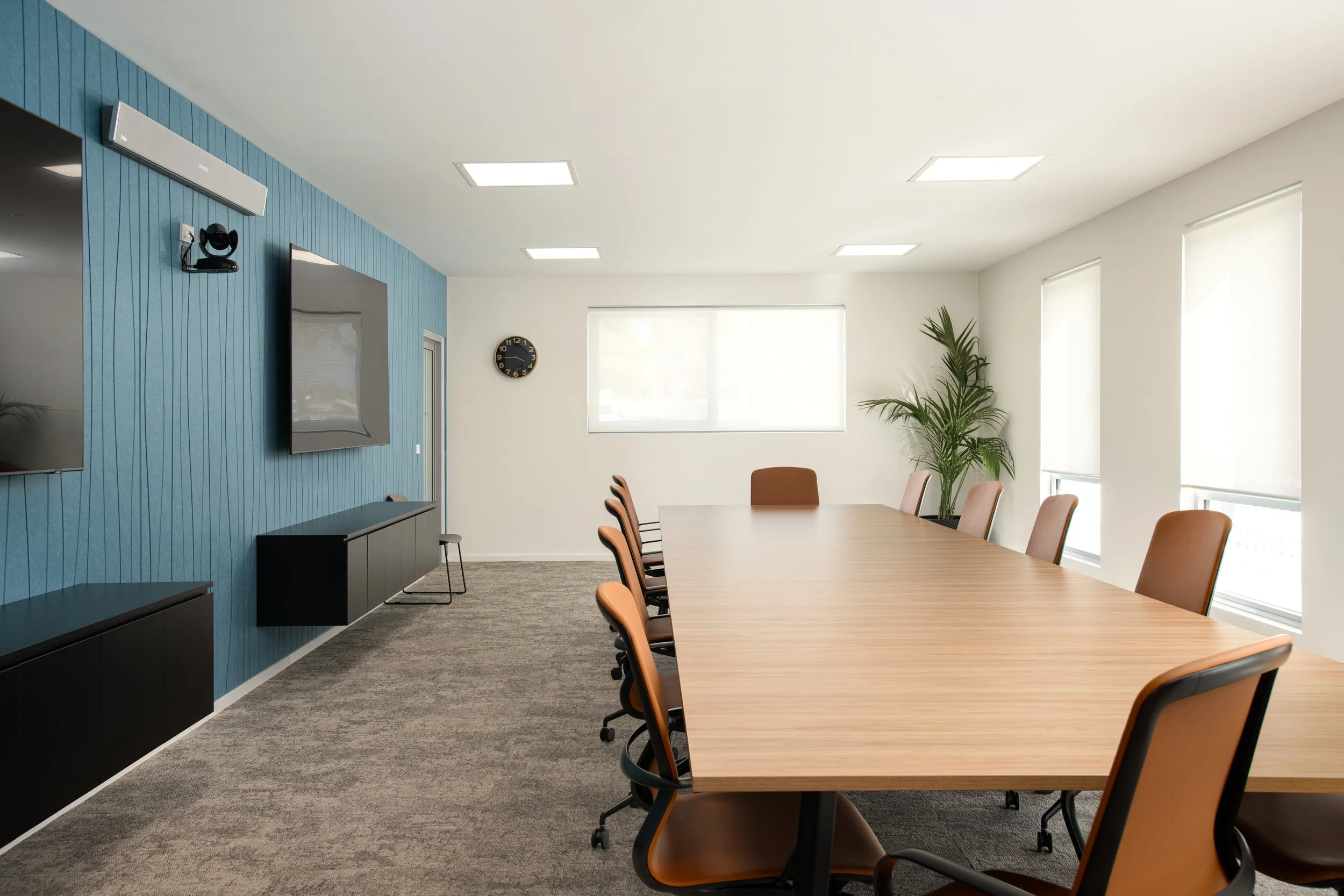
Why presence alone isn’t enough
In today’s workplace, attendance doesn’t equal productivity.
People may be present, but still experience challenges that affect performance — noise, lack of focus space, inefficient layouts, or environments that don’t support different work modes.
When workplaces are designed without performance in mind, they can unintentionally create barriers rather than solutions.
Designing for performance means understanding how space influences behaviour, energy, and outcomes — not just how it looks or how many desks it holds.
What performance-focused design considers
A workplace that supports performance is shaped by how people actually work throughout the day.
This includes understanding:
When and where focus work happens
How often teams collaborate and in what formats
Movement patterns and workflow efficiency
Acoustic comfort and visual distraction
Access to spaces that support recharge and wellbeing
When these elements are overlooked, even well-designed spaces can underperform.
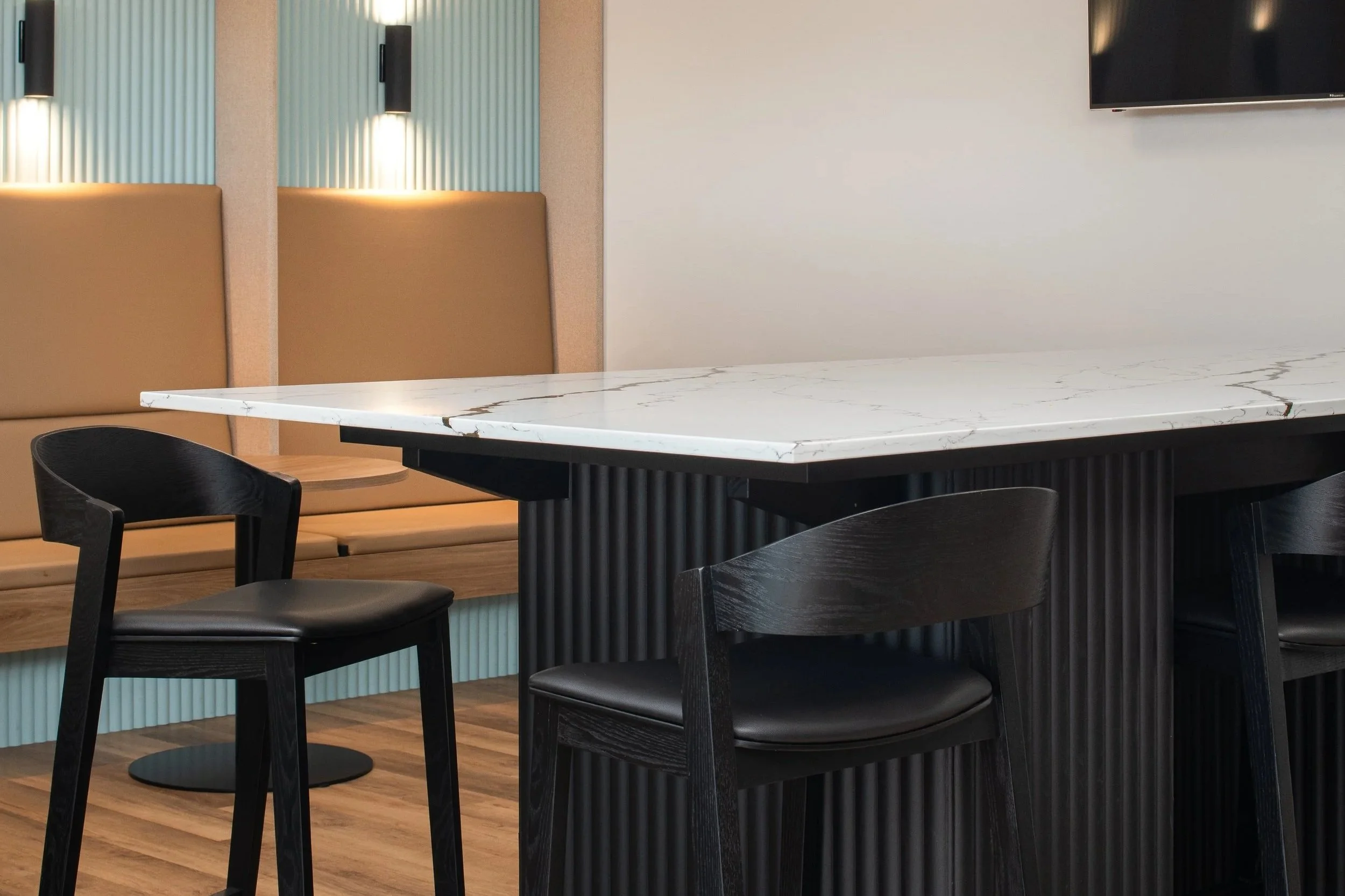
Designing environments that support different work modes
No two tasks require the same environment.
High-performing workplaces provide choice — spaces that allow people to shift between focus, collaboration, learning and connection as their work demands change.
This often includes:
Quiet zones for deep focus
Enclosed or semi-enclosed collaboration spaces
Informal areas that encourage quick connection
Clearly defined circulation to reduce disruption
Layouts that support efficient movement and communication
When space aligns with task, people spend less energy adapting — and more energy doing meaningful work.
Performance is shaped by experience
Workplace performance isn’t only about output — it’s also about how people feel while working.
Environments that support comfort, clarity and ease contribute to:
Better concentration
Improved communication
Reduced fatigue and distraction
Stronger engagement throughout the day
Design plays a quiet but powerful role in shaping these experiences.
When space works intuitively, performance improves naturally.
Designing for long-term value
A workplace designed around performance continues to deliver value well beyond day one.
By aligning space with real behaviours and operational needs, organisations reduce inefficiencies, minimise future changes, and support consistent performance over time.
This approach helps ensure that workplace investment delivers ongoing return — not just visual impact.

When the workplace works harder
The most effective workplaces don’t demand more effort from people.
They remove friction, support focus, and make everyday work easier.
Designing for performance means thinking beyond presence — and considering how space actively contributes to productivity, wellbeing and outcomes.
If you’re planning a workplace transformation, performance shouldn’t be left to chance.
It should be designed into the experience from the start.