
Designing for Agility - How Flexible Workplaces Future-Proof Your Business
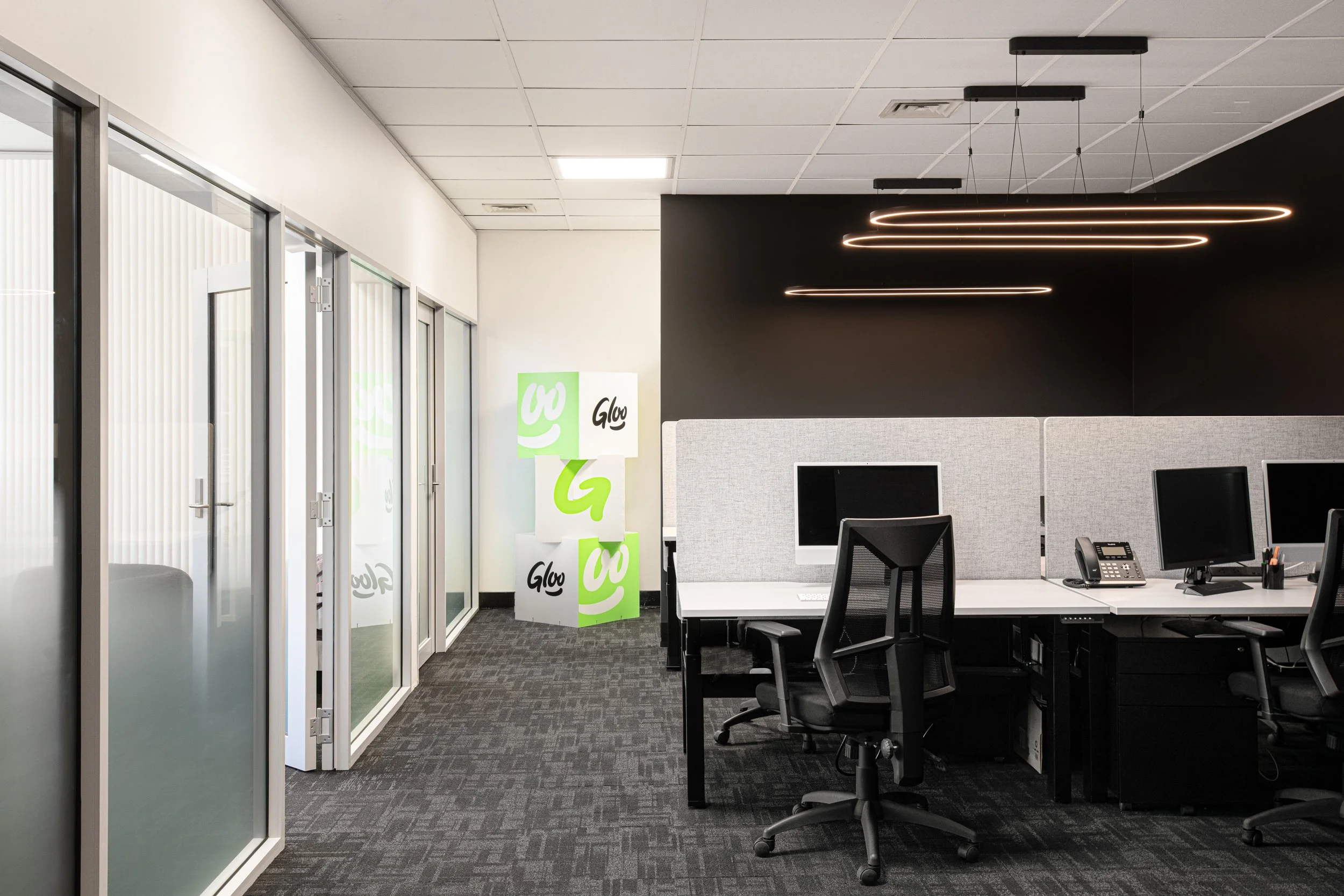
High-performance workplaces don’t stand still - they evolve.
As organisations across Tasmania and beyond face shifting expectations — hybrid work, digital adoption, rapid growth, changing culture — the spaces they occupy need to keep pace. The question for leaders isn’t whether their workplace will change, but how prepared it is to adapt.
Agility has become a strategic advantage. And it starts well before a floor plan exists.
Why agility matters now
The way people work has never been more dynamic. Teams collaborate across locations. Focus work is increasingly valued. Business priorities shift faster than traditional workplaces can respond.
Agility isn’t about “open plan” or “hot desks.”
It’s about designing a workplace that can flex with purpose.
Understanding what flexibility looks like.
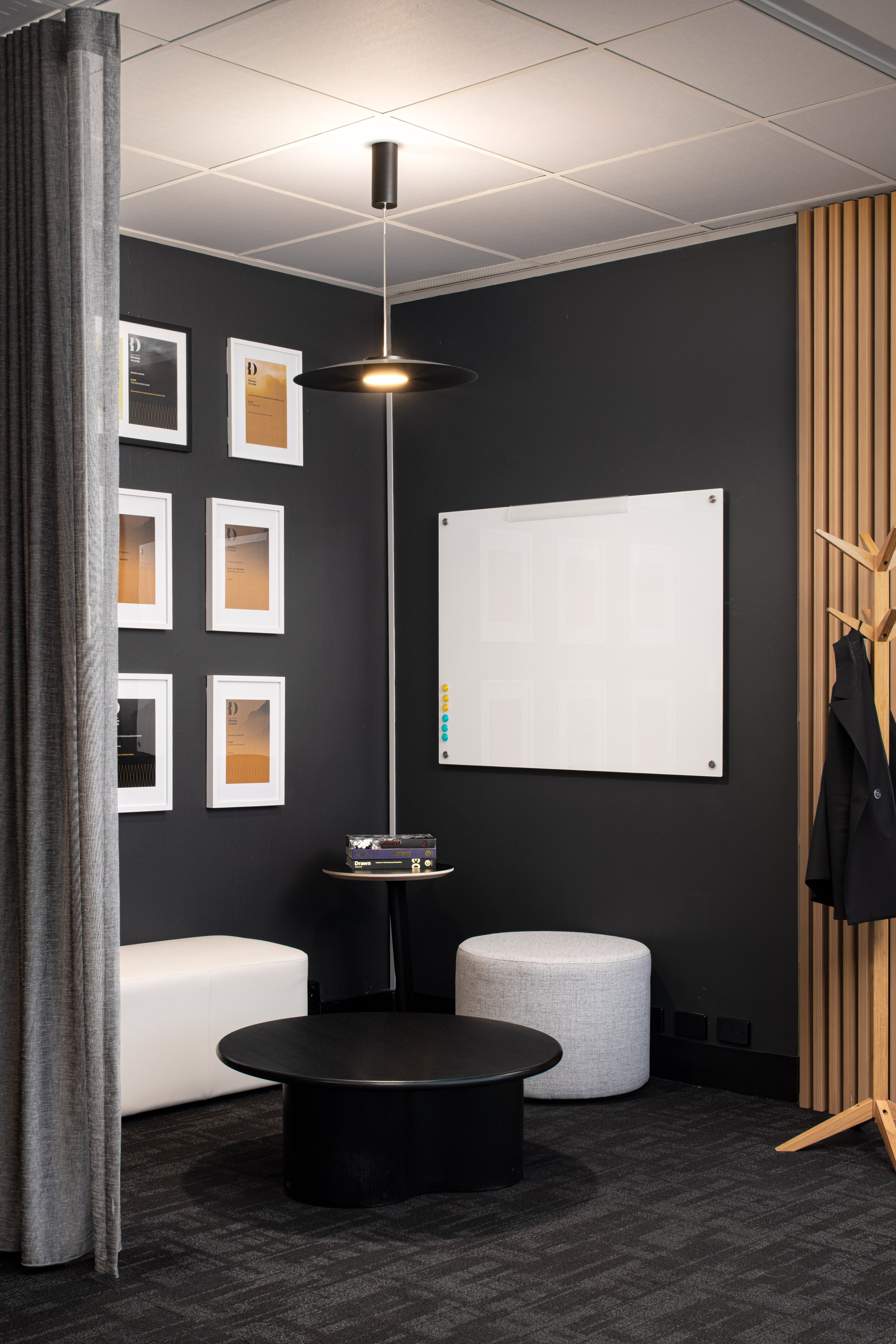
An agile workplace includes:
• Multi-purpose spaces that shift between meetings, workshops and team huddles.
• Zoning for different work modes — focus, collaboration, social, project work.
• Modular elements such as movable walls, adaptable furniture, and reconfigurable layouts.
• Future-ready infrastructure like scalable technology and service pathways.
The most effective workplaces aren’t defined by one “right” layout — they’re built on the ability to evolve as the business does.
Strategy first, design second
Flexibility doesn’t happen by accident. It begins with clarity.
By understanding how a team works — movement patterns, collaboration habits, quiet-hour needs, workflow bottlenecks — a workplace strategy identifies the friction points and opportunities for agility. This ensures every design decision is backed by purpose, not guesswork.
At Bentley Workspaces, we start by partnering closely with leaders and staff to understand:
• What’s working
• What’s holding people back
• What needs to scale or shift in the next 3–5 years.
• How culture shows up in day-to-day work.
A flexible workplace is only effective when it reflects real behaviour — not assumptions.

Agility reduces long-term cost and risk
When flexibility is built into the workplace from the beginning, organisations avoid expensive adjustments down the track. Adaptable spaces scale with teams, support hybrid arrangements, and respond to operational changes without major disruption.
The return is measurable:
Better performance, lower risk, and a space that remains relevant for years — not just the day it’s handed over.
Designing tomorrow’s workplace today
Workplaces shouldn’t bind businesses.
They should empower them.
By starting with insight, aligning design with behaviour, and considering change as a constant, organisations can build workplaces that stay productive, connected and resilient — no matter what the future holds.